Paris Escort Photography: How Images Drive the Industry
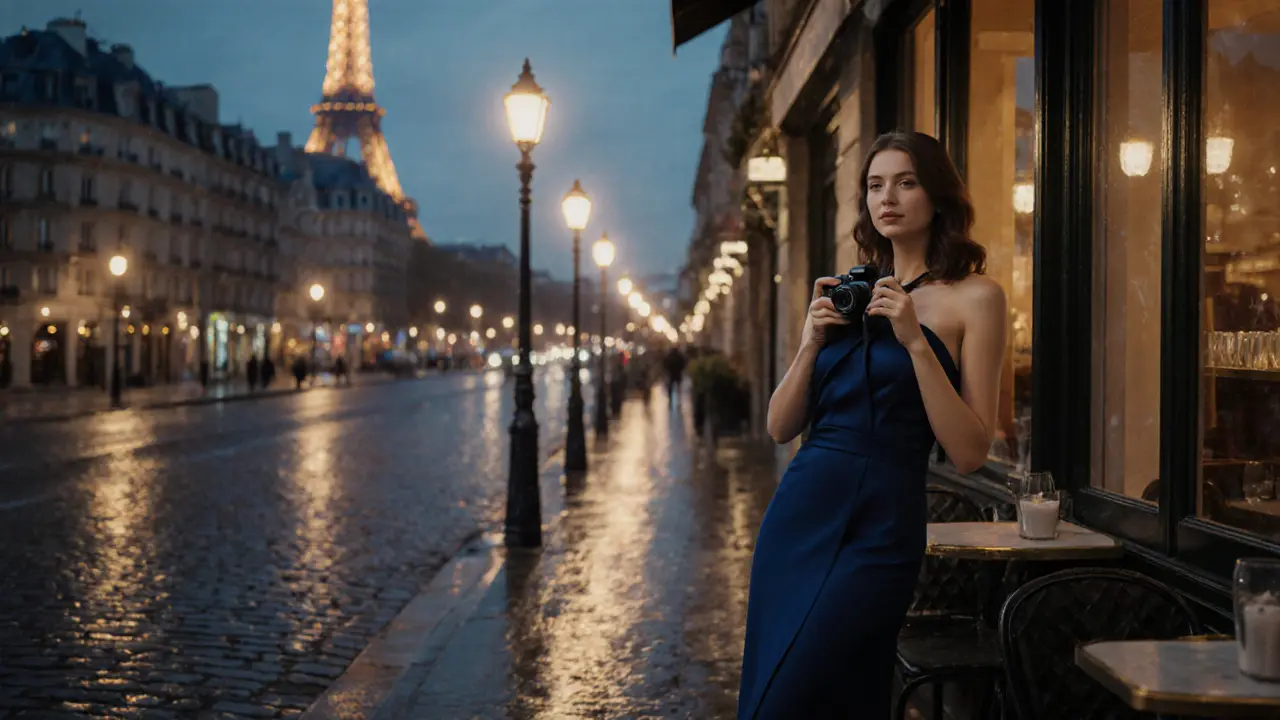
Explore how professional photography shapes the Paris escort market, from branding and legal consent to platform distribution and future trends.
Continue reading...When dealing with photography legal France, the set of rules that govern taking and publishing images in the French jurisdiction. Also known as French photography law, it covers everything from copyright to privacy. Understanding these rules helps you avoid fines and respect people's rights while you capture stunning shots. Below we break down the core concepts you’ll encounter on the streets of Paris or any French locale.
First, copyright, the exclusive right of creators over their images gives photographers ownership over their work from the moment they click. Second, privacy law, protects individuals from unauthorized use of their likeness limits shooting in private settings without consent. Third, the public space rule, allows photography in publicly accessible areas while still respecting personal privacy. These three pillars intersect: a photo taken in a public park (public space) can still infringe privacy if it isolates a recognizable person without a model release.
Speaking of releases, a model release, a written permission from a photographed individual permitting commercial use is essential when you plan to sell or publish the image for profit. Without it, even a photo taken in a public market could be blocked under privacy law if the person is clearly identified. The release typically includes the model’s name, the intended use, and a signature, and it safeguards both photographer and subject from future disputes.
The legal landscape also draws a line between "artistic" and "commercial" use. Artistic photography, displayed in galleries or used for editorial content, often enjoys broader leeway under freedom of expression, while commercial advertising faces stricter scrutiny. French courts weigh the context, purpose, and potential impact on the individual's reputation when deciding if a privacy breach occurred. Knowing where your project falls on this spectrum can guide you in obtaining the right permissions.
Another frequent question involves drone photography. The UAS regulation, rules for unmanned aerial systems operating over French territory requires registration, pilot certification, and adherence to no-fly zones, especially around airports and historic sites. Violating these can lead to hefty penalties, and the images captured may also be subject to the same privacy constraints as ground photography.
Now, let’s talk enforcement. French authorities can inspect your equipment, request proof of releases, or even seize images that violate privacy. However, the law also provides clear pathways for defense: showing that you had a legitimate purpose, used the image in a newsworthy context, or that the subject appears in a public setting without focus on identity. Staying organized with documentation—release forms, location permits, and usage contracts—makes defending your work much easier.
Practical steps for safe shooting: 1) Identify whether your location is public or private; 2) Assess if recognizable individuals are present; 3) Obtain a model release when needed; 4) Keep records of any permits or permissions; 5) Stay updated on drone regulations if you fly. Following this checklist not only keeps you legal but also builds trust with subjects and clients.
With these basics covered, you’ll find the collection of articles below offers deeper dives into specific topics—like how to draft an airtight model release, navigating copyright when sharing online, and real‑world case studies of privacy disputes in French photography. Dive in to sharpen your knowledge and keep your creative work on the right side of the law.
Explore how professional photography shapes the Paris escort market, from branding and legal consent to platform distribution and future trends.
Continue reading...