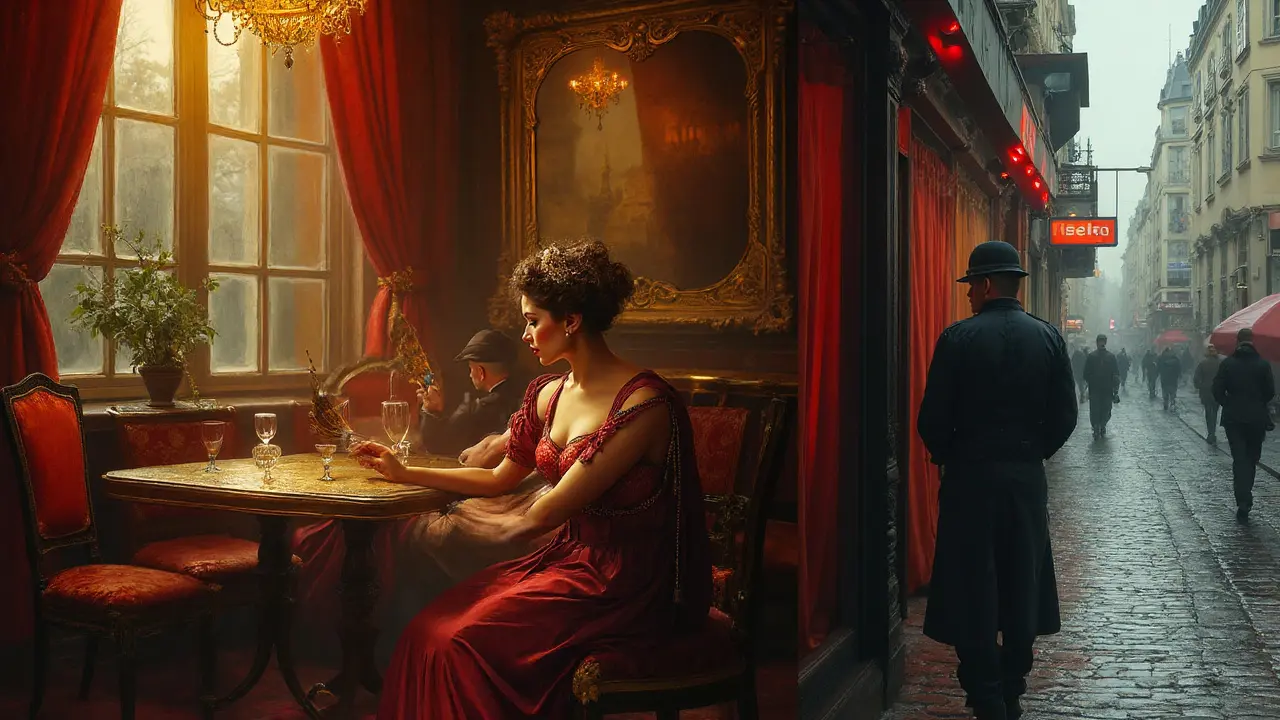
History of Escorting in Paris: From Courtesans to Digital Platforms
Ever wondered how Paris went from salons full of aristocratic courtesans to today’s app‑based escort services? It’s a story of fashion, law, and changing attitudes. Below you’ll get a quick timeline, the biggest legal milestones, and why the past still shapes what you see on the streets of the City of Love.
From Royal Courts to the Belle Époque
In the 1700s, wealthy nobles hired “courtesans” who were as much companions as conversation partners. They knew art, music, and politics, and they moved in the same circles as kings and painters. By the 1800s, the term “escort” started to appear in newspapers, describing women who offered refined company for a fee.
The late 19th‑century Belle Époque turned escorting into a boutique business. Paris‑style cafés, cabarets, and the emerging tourism boom created a demand for polished companions who could guide foreign visitors through the city’s glitter. This period also saw the first printed directories that listed names, rates, and specialties.
When World War II hit, the industry shrank but didn’t disappear. Occupying forces and resistance networks used escort services for information exchange, adding a layer of danger and intrigue. After the war, the “sexual revolution” of the 1960s reopened the market, this time with more liberal attitudes and a surge of independent escorts who set their own prices.
Modern Regulations and the Online Market
France’s legal approach changed dramatically in 2016. The “client law” made buying sexual services a criminal offense, while the person providing the service stayed legal. This shifted risk onto clients and forced many agencies to adopt stricter screening and privacy policies.
Since 2018, digital platforms have taken over the old paper directories. Websites and mobile apps let independent escorts upload verified photos, set hourly rates, and manage bookings without a middleman. The tech shift also helped enforce safety: many platforms now require identity checks and offer anonymous payment options.
Today, the Paris escort scene is a mix of high‑end agencies, freelance professionals, and niche services like GFE (girlfriend experience) or cultural tours. Laws keep evolving, with local authorities debating how to balance public order, tourism revenue, and workers’ rights. The conversation is no longer about morality alone; it’s about health, safety, and economic impact.
Looking back, every era left a mark: the elegance of courtesans gave way to the professionalism of agencies, and now the flexibility of online platforms defines the market. Understanding this history helps you navigate the scene responsibly, whether you’re a client, a worker, or just curious about Paris’s unique cultural layer.
Need quick tips? Check the latest 2025 guide for legal, safe, and discreet companionship; read our post on spotting fake profiles; and explore how COVID‑19 reshaped pricing and safety standards. Knowing the past makes the present a lot clearer, and it keeps everyone safer.
How escorting in Paris changed: from courtesans and closed brothels to Minitel, websites, and 2025 platform rules. Clear timeline, laws, tech, and current trends.