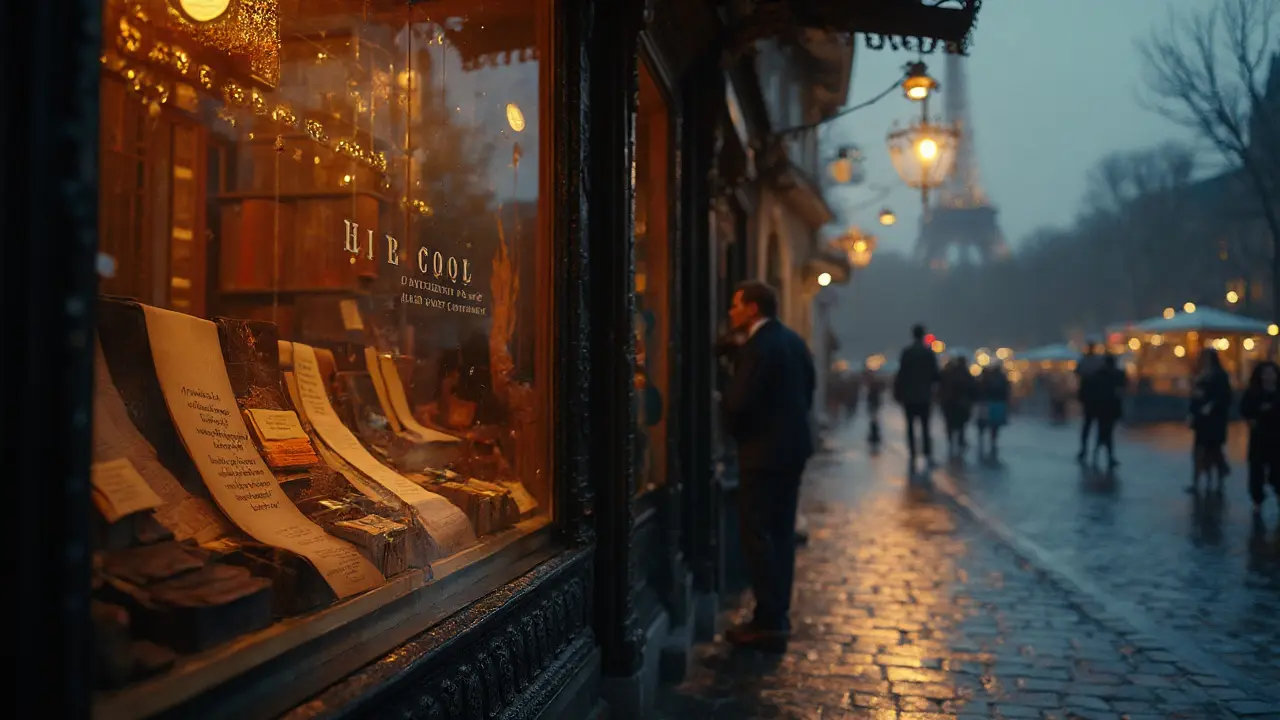
French literature basics: what to read and why it matters
French literature is a mirror of the country's history, culture and everyday life. From medieval poems to modern novels, each work tells a story about the people who wrote it. If you want to understand France in a deeper way, reading its literature is one of the fastest routes. You don’t need a degree in literature to enjoy a good French story—just a curiosity and a few simple tips.
Key periods of French literature
French writing can be split into several clear eras. The Middle Ages gave us epic poems like "La Chanson de Roland" that celebrated knights and faith. The Renaissance brought humanist ideas and playwrights such as Pierre de Ronsard, who wrote love poems that still sound fresh.
The 17th century was dominated by classicism. Think of Molière’s comedies that poke fun at society, or Racine’s tragedies that explore deep emotions. The 18th century introduced the Enlightenment, with Voltaire and Rousseau questioning politics and religion.
Moving into the 19th century, realism and romanticism took over. Victor Hugo’s "Les Misérables" and Gustave Flaubert’s "Madame Bovary" paint vivid pictures of real life. The 20th century saw experimental styles—Albert Camus and Jean-Paul Sartre tackled existentialism, while Marcel Proust’s massive "In Search of Lost Time" dives into memory.
Must‑read classics for beginners
If you’re just starting, pick a short, engaging novel. "Le Petit Prince" by Antoine de Saint‑Exupéry is a favorite worldwide and easy to read in French. For a taste of romance and drama, try "Madame Bovary"—the language is clear, and the story hooks you fast.
Fans of mystery will enjoy "Les Misérables" in its abridged form; the plot moves quickly and the themes of justice still resonate today. If you enjoy modern voices, "L'Étranger" by Albert Camus is only a few hundred pages but packs a powerful punch about life’s absurdity.
To practice reading, use a bilingual edition or an app that lets you tap words for instant translations. Keep a notebook for new vocabulary and write a short summary after each chapter—it helps the story stay in your mind.
Finally, join an online forum or a local book club focused on French books. Talking about the story with others solidifies understanding and makes reading more fun. Whether you read for pleasure or to improve your French, the key is to start small, stay consistent, and enjoy the journey through France’s rich literary heritage.
Decode how French literature shapes Paris escorts-language, branding, client expectations, and legal reality in 2025. Pragmatic tips, examples, and pitfalls.